
Dr. Marco Arcieri, President of the ICID during 17-23 March 2024 visited Uzbekistan together with group of experts from the FAO’s WASAG (Global Framework for Action to Cope with Water Scarcity in Agriculture in the Context of Climate Change).
FAO’s WASAG has been designed to bring together key players across the globe and from different sectors to tackle the collective challenge of using water better in agriculture to ensure food security for all. It is a Partnership hosted by FAO and consisting of government agencies, international organizations, research institutions, advocacy groups and professional/membership organizations. WASAG fosters collaboration among its partners for the development and deployment of policies, strategies, and programmes, enhancing field capacity for the adaptation of agriculture to water scarcity.
The above-mentioned Expert group working for the topic: Agriculture using saline water
Group Leader: International Center for Biosaline Agriculture (ICBA) – Dionysia Angeliki Lyra
Among collaborators: International Commission on Irrigation & Drainage (ICID) – Marco Arcieri
Purpose of the group of experts’ visit to Uzbekistan is to introduce to specialists and farmers in our country the new publication: “Recommendations for farmers on managing soil and water resources in saline areas”
Publication in English is available on the website: https://www.fao.org/3/cc4200en/cc4200en.pdf
Publication Summary: The WASAG working group on Saline agriculture prepared these guidelines, which address the dire threats posed by salt-affected soils to global food security. According to the recent Global salt-affected soils map, over 424 million hectares of topsoil (0–30 cm) and 833 million hectares of subsoil (30–100 cm) are currently salt-affected. This practical guide to soil and water management in salt-affected areas provides vital information to farmers dealing with salinity and sodicity issues on their farms and assists them in following suggested practices to mitigate or/and to adapt to these unfavourable conditions without compromising further losses in yields.
Group prepared translation of the brochure into Uzbek and Russian. Purpose of seminars is to discuss the usefulness and significance of this manual for Uzbekistan — before publication of the Uzbek version.
Group of experts:

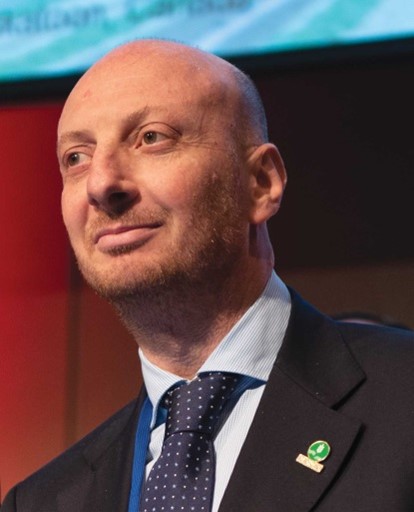

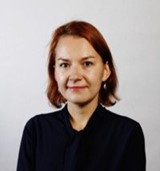

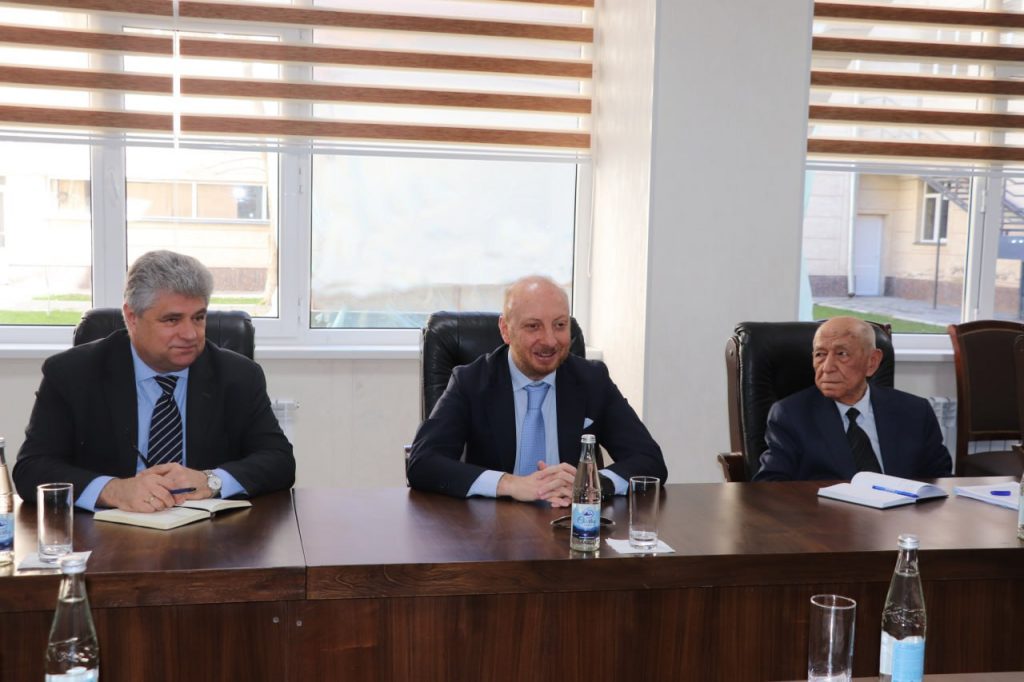
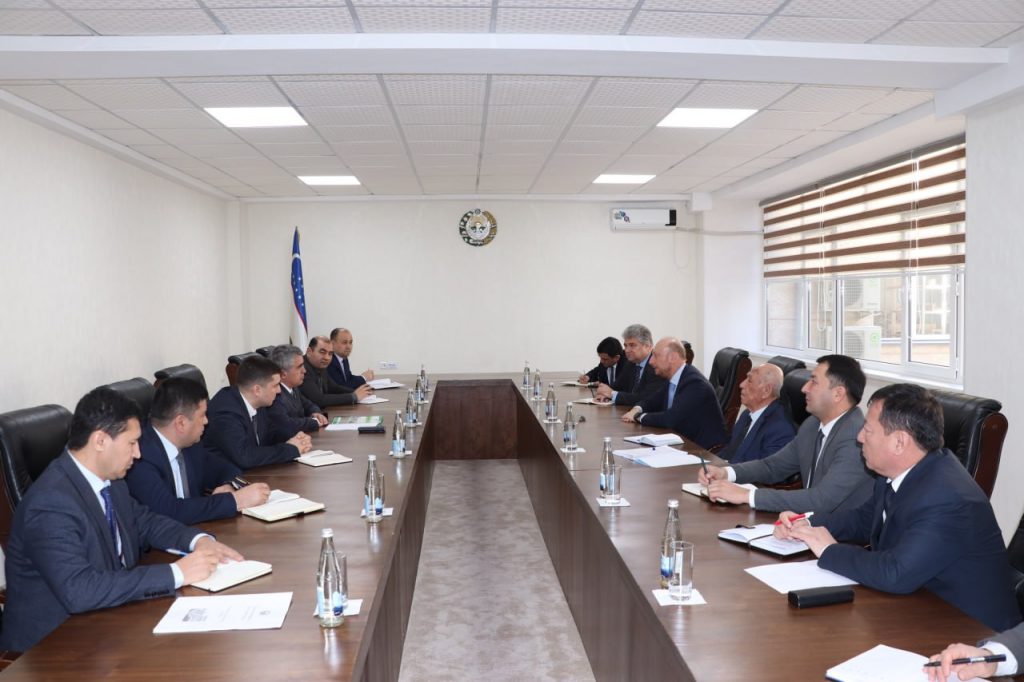
On March 17, 2024, meeting was held at the Ministry of Water Resources of the Republic of Uzbekistan with Marco Arcieri, President of the International Commission on Irrigation and Drainage (ICID).
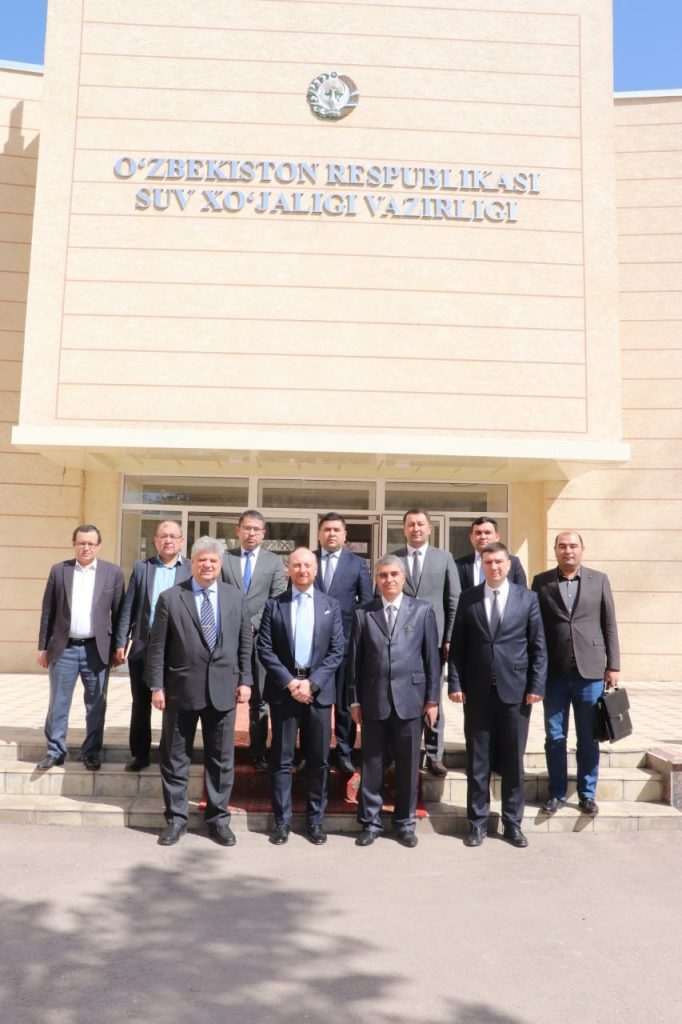
Minister of Water Resources Shavkat Khamrayev, who is also Honorary Vice-President of the ICID, warmly welcomed the high-level guest during his visit to our country and noted that his first visit to Uzbekistan as President of the ICID is a good opportunity to exchange ideas on large-scale issues of mutual cooperation in the field water management, irrigation and food security.
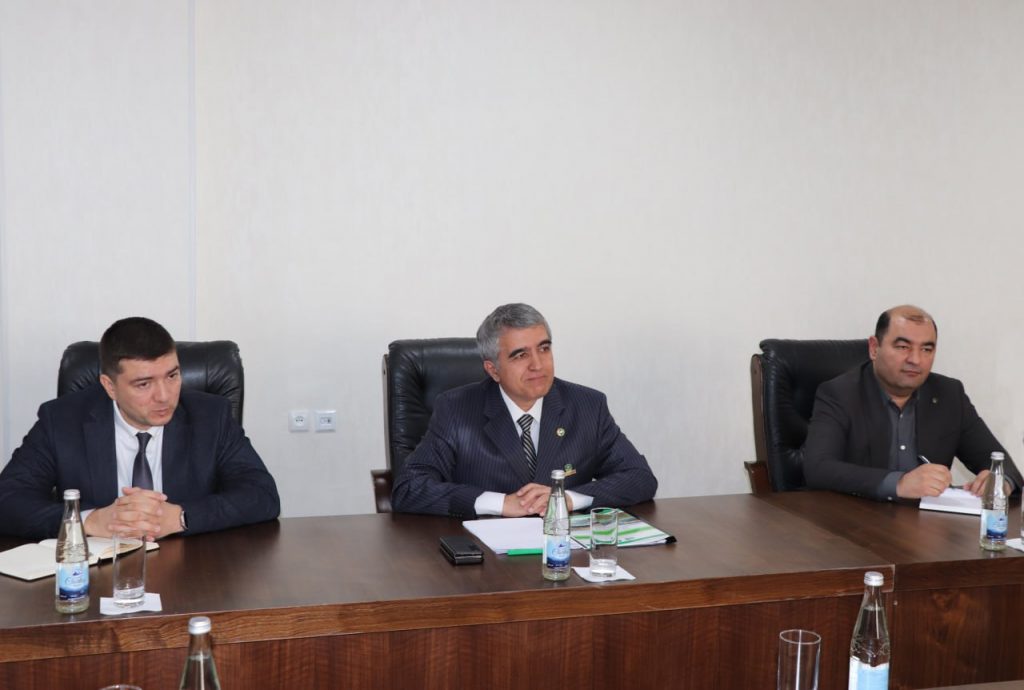
In his turn, Dr. Marco Arcieri noted that this is his first official visit as President of the ICID to Central Asia and he has big plans and new ideas, intends to take cooperation of the ICID with Uzbekistan to a new and productive level.
“Before coming here, I got acquainted with information about work and achievements in Uzbekistan addressing to efficient use of water, modernization of irrigation networks, updating of pumping stations, and introduction of modern technologies. It is especially commendable that Uzbekistan is a leader among countries of the region in introducing water-saving technologies,” said Marco Arcieri.
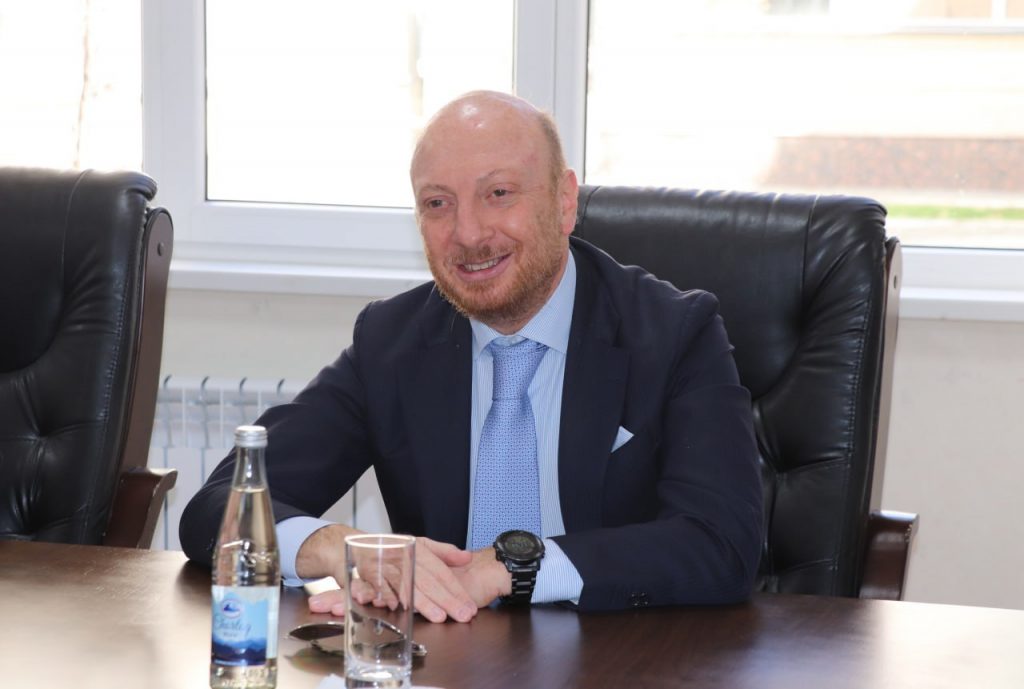
The meeting was also attended by Vice-President of ICID, Head of Agency of the International Fund for Saving the Aral Sea Vadim Sokolov, who presented activites done within the framework of Strategy for development of water resources management and irrigation sector in the Republic of Uzbekistan for 2021-2023. In particular, the results achieved in such areas as saving water and electricity, digitalization, and public-private partnership were mentioned.
It was said that, on initiative of the Head of our state, 2024 was declared: “The Year of Lining Canals,” within framework of which work is underway to concrete 1.5 thousand km of large canals and 10 thousand km of small (on-farm) canals.
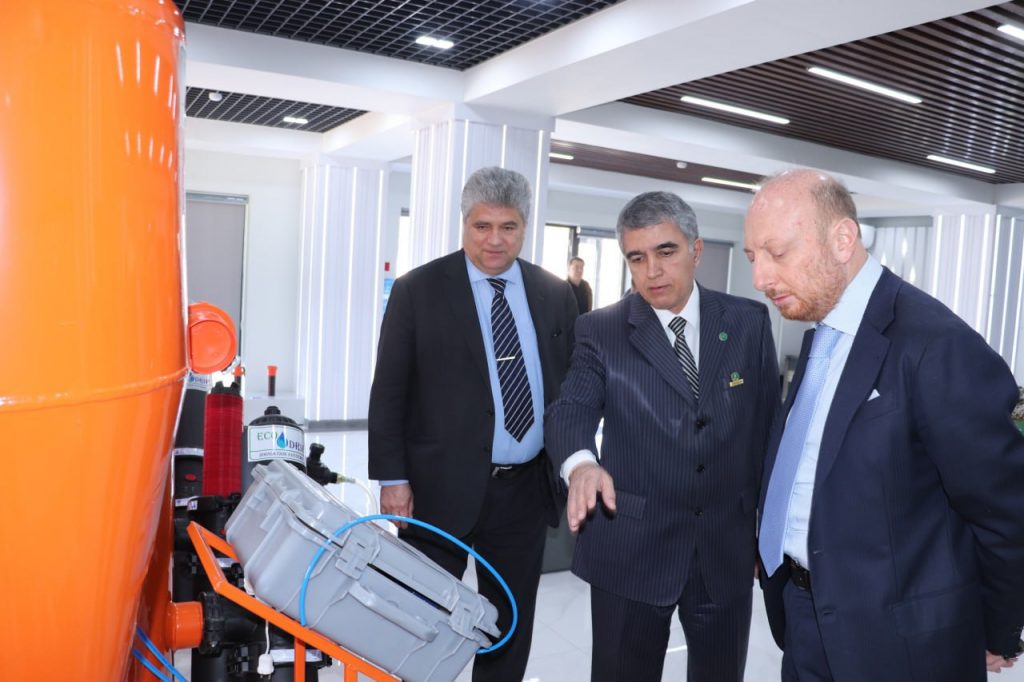
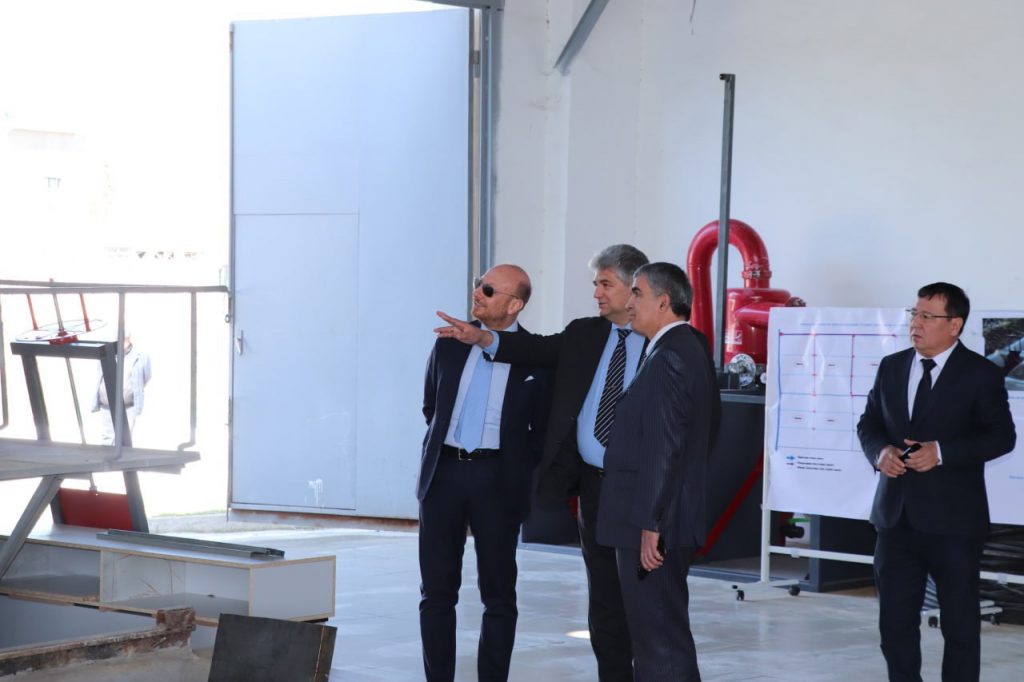
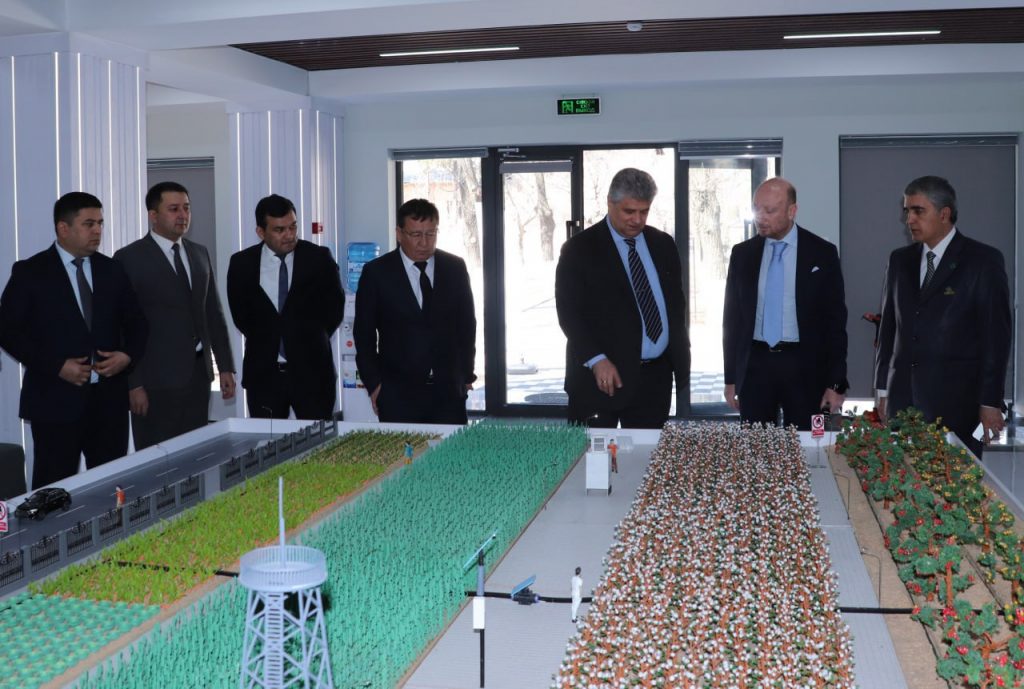
Marco Arcieri got acquainted with laboratories of the Research Institute on Irrigation and Water Problems under the Ministry of Water Resources, scientific research conducted and conditions created for young scientists, also visited experimental site on drip irrigation, as well as observed the activities of the “Water Saving School”, created with support from the “Agrobank” of Uzbekistan.
International Commission on Irrigation and Drainage is the leading scientific, technical and professional non-profit international organization working in the fields of irrigation, drainage and flood management to promote and achieve sustainable management of water resources in agriculture around the Globe. ICID was founded on June 24, 1950 and today includes about 100 countries, which together cover more than 90% of the world’s irrigated areas.
“Achieving higher crop productivity with less water and energy input” is the most cherished goal of the ICID Vision 2030.
The Republic of Uzbekistan has been a member of the ICID since 1993. The National Committee for Irrigation and Drainage of the Republic of Uzbekistan under the Ministry of Water Resources of the Republic of Uzbekistan interacts with the ICID and coordinates activities in our country.
The first representative of Uzbekistan as Vice-President of the ICID was Academician Alexander Askochinsky in the 1960s, who did a lot to create a modern irrigation system throughout Central Asia. In independent Uzbekistan, this honor was awarded to Professor Viktor Dukhovny in 2003. In 2019, Minister of Water Resources of Uzbekistan Shavkat Khamraev was elected as Vice-President of the ICID for a period of 3 years. He is currently the Honorary Vice-President of the ICID. Head of the Agency of the International Fund for Saving the Aral Sea, Vadim Sokolov, was elected as Vice-President of the ICID in November 2023 for a term of next three years.
The purpose of visit of President of the ICID Marco Arcieri to Uzbekistan is to participate in a series of training seminars on topic “Guidelines for Farmers on Managing Soil and Water Resources in Saline Areas”, developed within framework of the FAO (Food and Agriculture Organization of the UN) Global Framework Program for overcoming water scarcity in agriculture farming (WASAG). Seminars will be held in Karshi, Nukus and Chimbay during the period March 19-21, 2024.
On March 18, 2024, a group of experts visited the Ministry of Agriculture of the Republic of Uzbekistan.
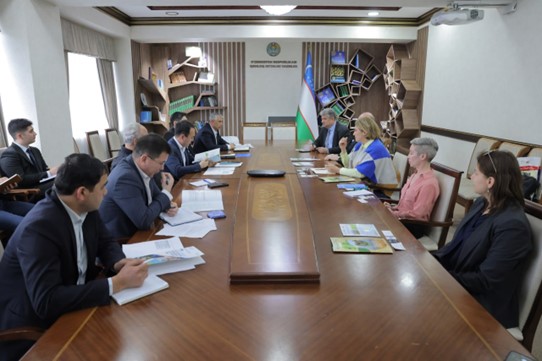
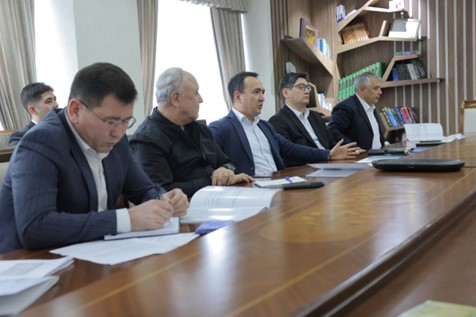
The delegation was met by: Jamoliddin Babakhanov — Head of Department of the Ministry of Agriculture of Uzbekistan, Sadulla Zainabudinov — Head of Department for Combating Land Degradation of the Ministry of Agriculture of Republic of Uzbekistan, as well as Sherzod Umarov — Deputy FAO Representative in the Republic of Uzbekistan and Aziz Nurbekov — FAO Project Coordinator in Uzbekistan
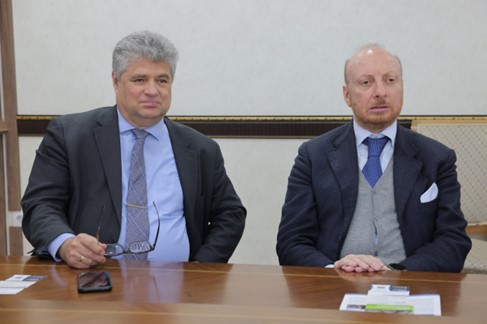
Issues of improving the professional experience and capacity of farmers and industry specialists, scientific researchers in the field of soil and water resource management and growing suitable crops in areas affected by salinity in Uzbekistan were discussed.
On March 19, 2024, the first WASAG seminar was held in the city of Karshi at Scientific Research Institute of Agriculture in the Southern Regions of Uzbekistan.
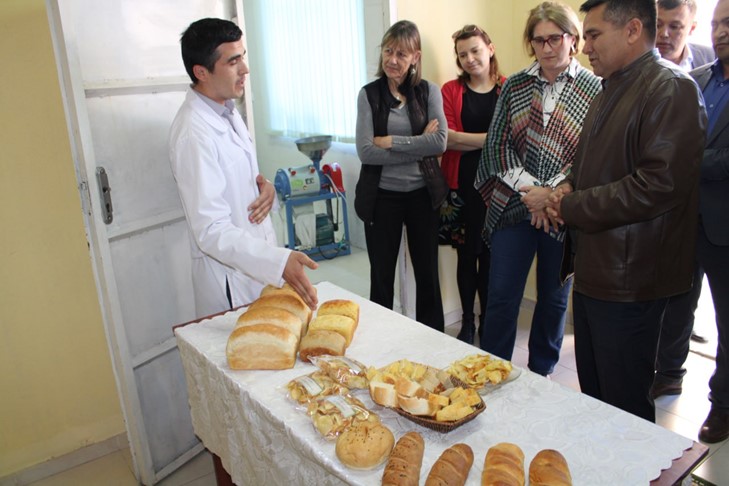
Using this opportunity delegation visited and observed the key laboratories of institute, which conduct comprehensive research on the quality of bread industry products
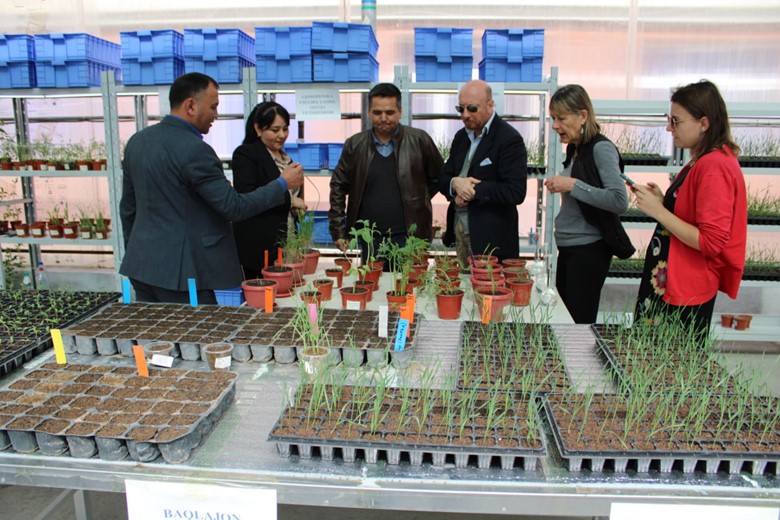
As well as laboratories that are engaged in the selection of salt-tolerant crops
Delegation also visited the museum of institute, where the unique results of research and selection outputs of Uzbek scientists recognized throughout the world are presented.
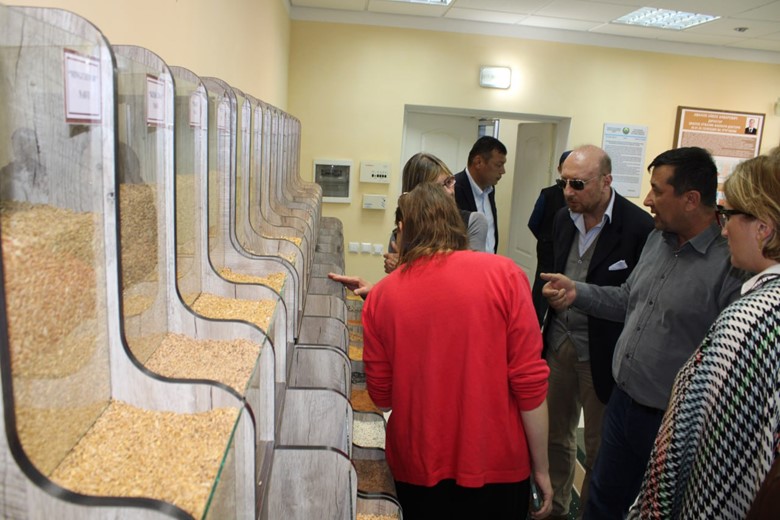
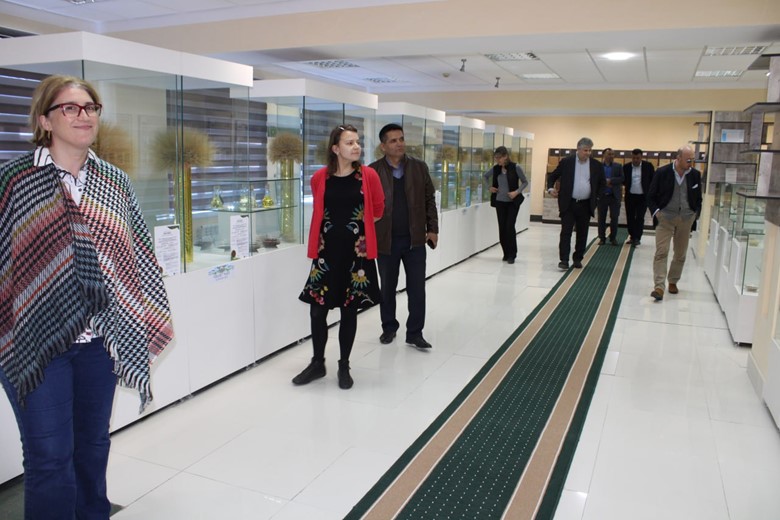
On March 20, 2024, second WASAG seminar was held in the city of Nukus on the topic “Management of soil and water resources in saline areas in Karakalpakstan.”
Representatives from Ministry of Water Resources of the Republic of Karakalpakstan, the International Innovation Center of Aral Sea under the Ministry of Ecology, Environmental Protection and Climate Change of the Republic of Uzbekistan, the heads of the Karakalpakstan regional branch of the Institute of Irrigation and Water Problems, as well as young professionals from Karakalpak Institute of Agriculture and Agricultural Technologies took an active part in the seminar.
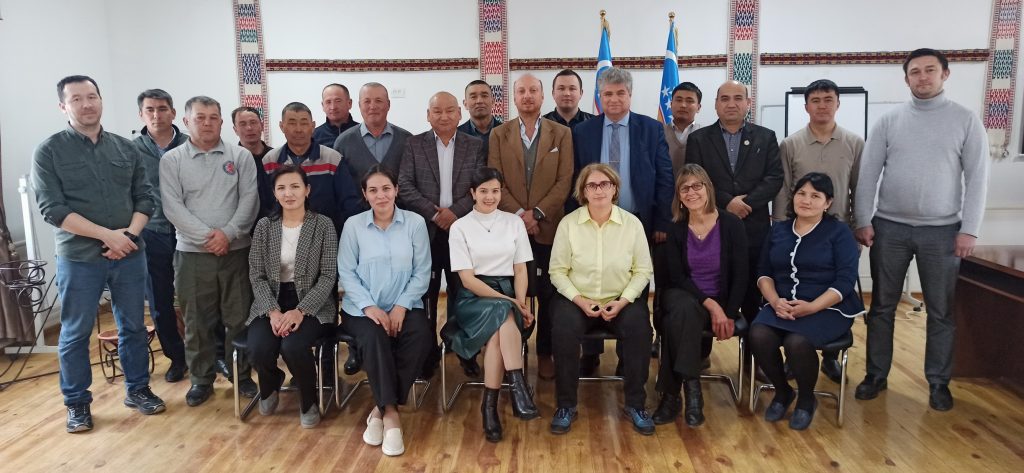
During seminar, the following questions were discussed: “How does salinity affect plants?”, “What three soil levels should be taken into account when organizing irrigation in saline areas?”, “What is soil saturation?”, “How do salinity units change?”
Also on March 20, 2024, visiting group led by President of the International Commission on Irrigation and Drainage Marco Arceri were received by Deputy Chairman of the Jokorgu Kenes (Parliament) of the Republic of Karakalpakstan Rustam Saparbayev.
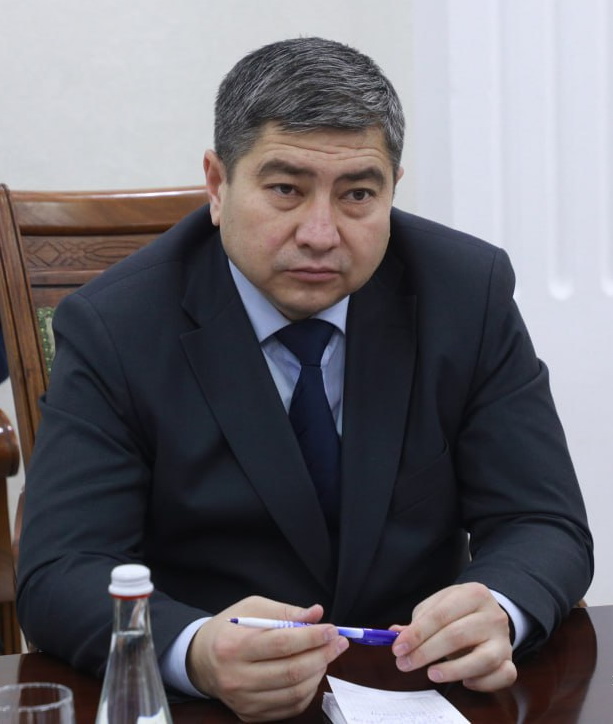
During conversation, Rustam Saparbayev emphasized that delegation visited our country on the eve of Navruz, and congratulated the guests with holiday and expressed his readiness to work together on projects for development of irrigation and land reclamation in Karakalpakstan. In turn, the guests expressed gratitude to the leadership of the Karakalpakstan for the warm welcome.
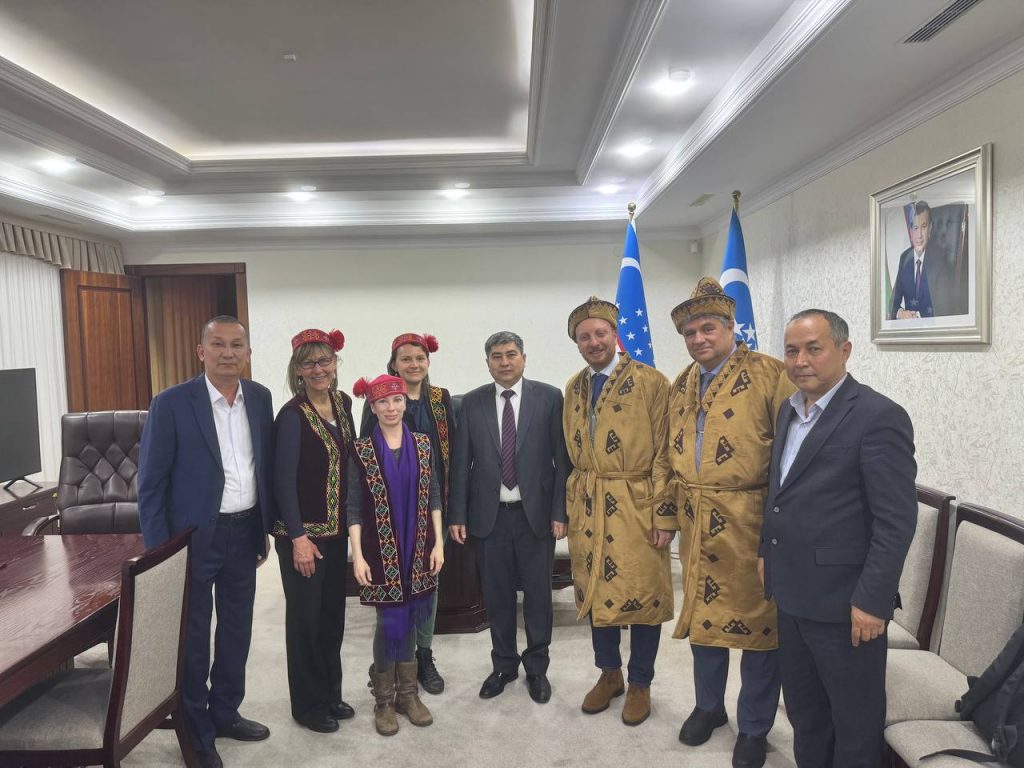
In the city of Chimbay (Karakalpakstan), on March 21, 2024, the third WASAG seminar was held. The seminar took place at the Karakalpak Research Institute of Agriculture.
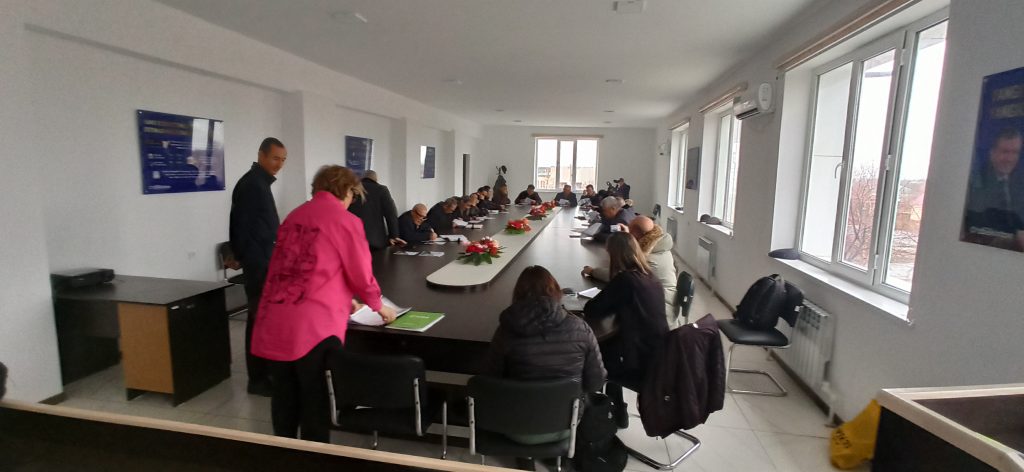
At the seminar, presentation of the publication “Recommendations for farmers on managing soil and water resources in saline areas” was made by Dionysia Angeliki Lyra — ICBA, Dr. Marco Arcieri — President of ICID, Sharon Benes — Professor of Soil Science and Crop Nutrition at the University of California, USA and Dr. Katarzyna Negacz – WASAG expert from the Netherlands.
Оn March 23, 2024, President ICID Marco Arceri together with Vice-President of ICID Vadim Sokolov visited Samarkand
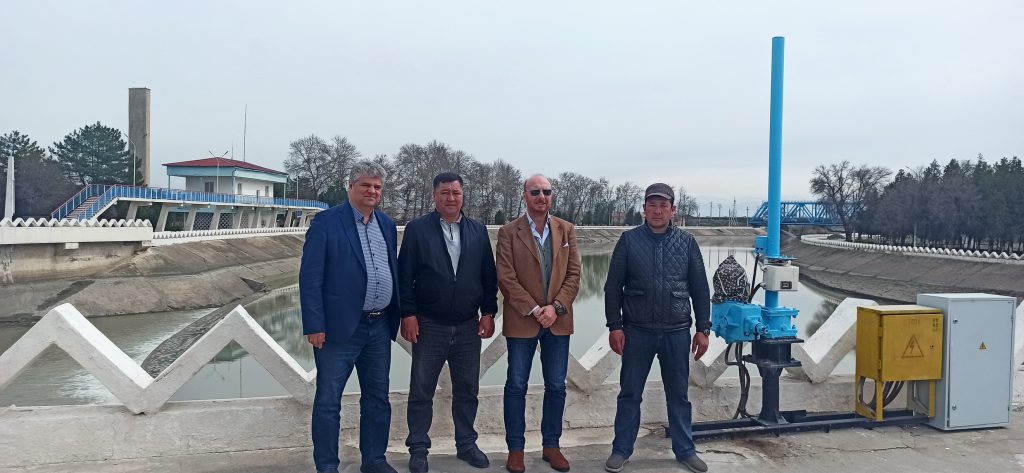
There was meeting with Alisher Boysariev, Head of the Zeravshan Basin Administration of Irrigation Systems (photo at the Ak-Karadarya Hydrostructure, Zeravshan river)
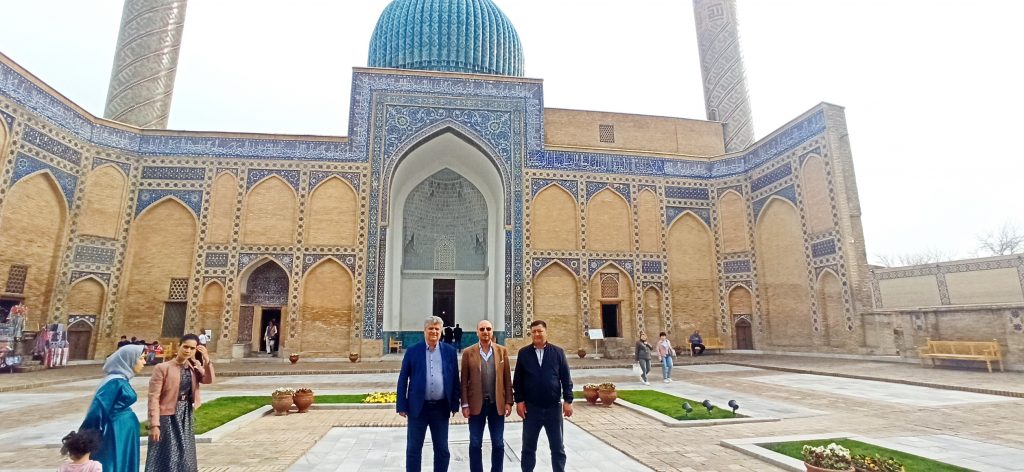
At the Gur Emir or Guri Amir in Samarkand. Gur Emir is Persian for «Tomb of the King». This architectural complex with its azure dome contains the tombs of Tamerlane, his sons Shokhrukh and Miran Shah and grandsons Ulugbek and Muhammad Sultan. Also honoured with a place in the tomb is Timur’s teacher Sayyid Baraka.
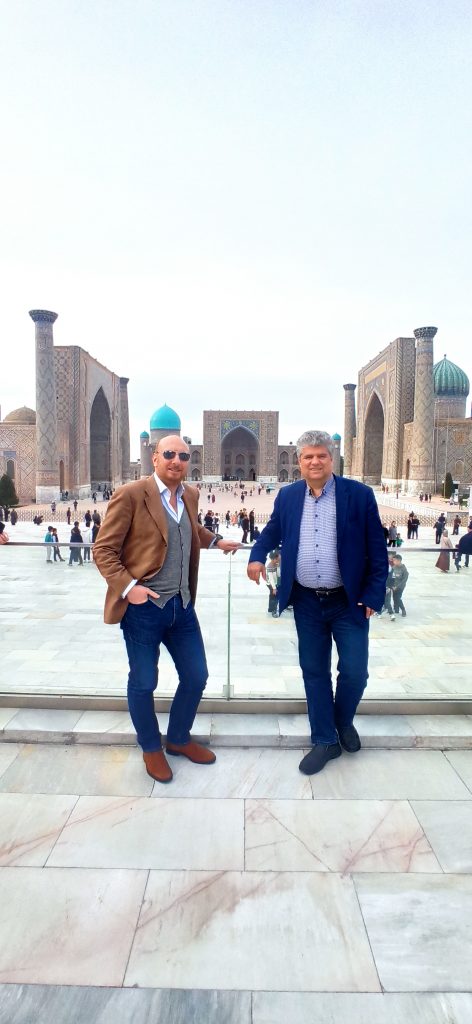
At the Registan Square, which is the heart of Samarkand. Registan is surrounded on three sides by magnificent buildings: Ulugbek Madrasah (1417 — 1420), Sher-Dor Madrasah (1619 — 1636) and Tilla-Kori Madrasah (1647 — 1660).